Ethical Benefits of Lab Grown Diamond Stud Earrings
Ethical sparkle, modern conscience
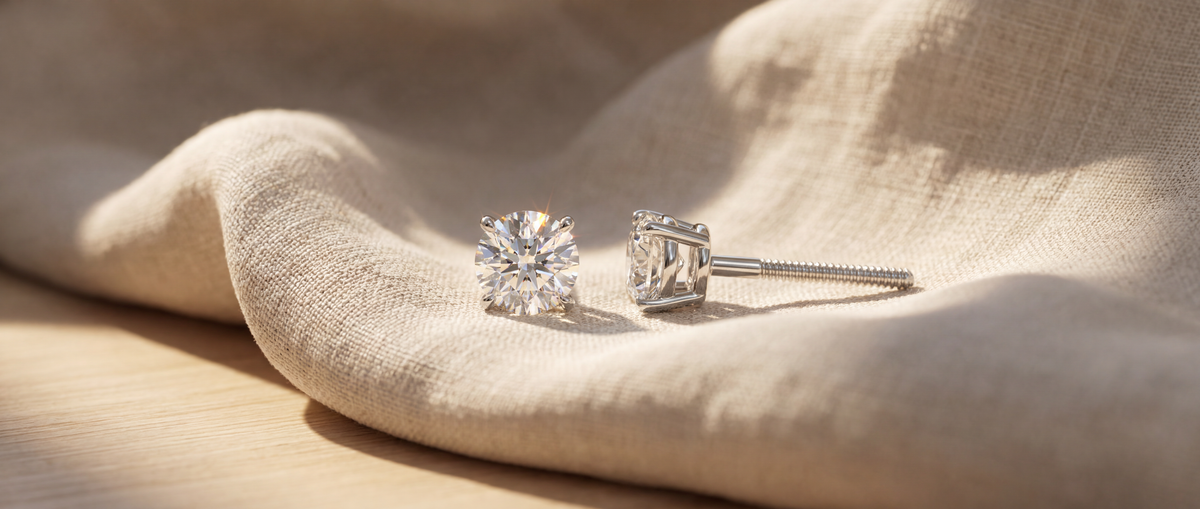
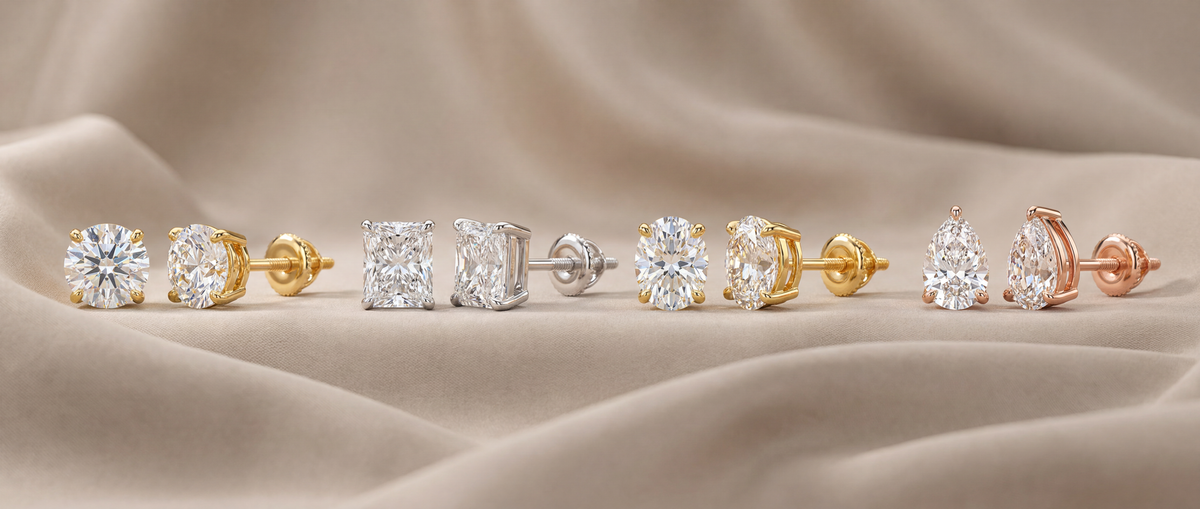
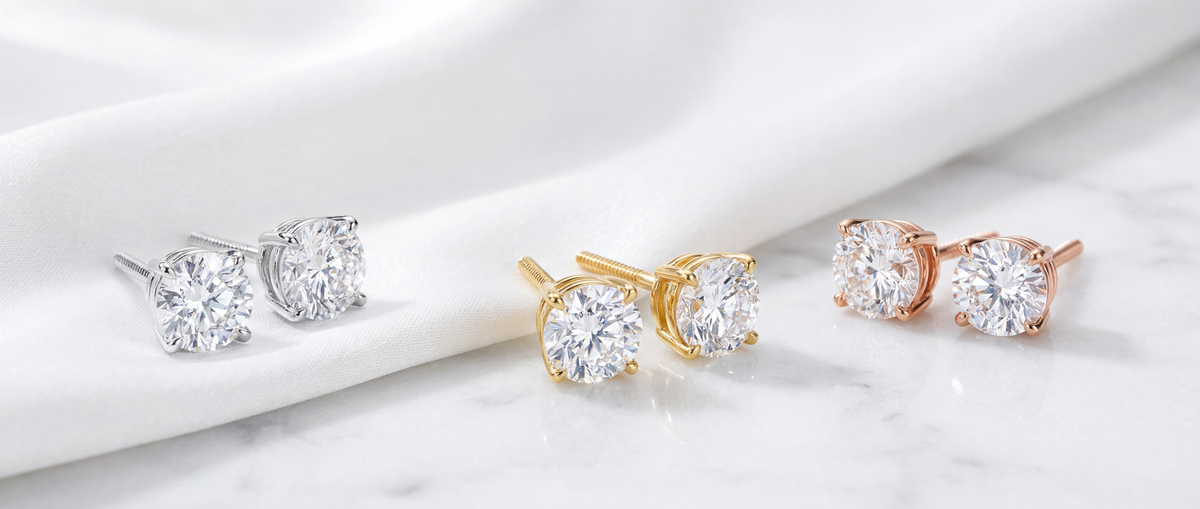
Lab grown diamond earrings let you wear the brilliance of a real diamond without the uncertainty that often surrounds traditional mining supply chains. When you choose lab grown diamond stud earrings, you’re pairing a timeless everyday essential with a production story that aligns with modern ethics, transparency, and environmental responsibility.
Note: Any numerical comparisons for water, energy, land use, and carat sizes are based on industry estimates and may vary by producer or mine. Always refer to specific brand disclosures and grading reports for exact figures.
What makes lab grown diamond studs more ethical?
Traditional diamond mining has historically been linked—directly or indirectly—to conflict zones, unsafe working conditions, and opaque supply chains. Lab grown diamonds, by contrast, are created in controlled laboratory environments with traceable origin and the ability to audit how and where each stone was produced.
Key ethical advantages include:
- Conflict‑free origin: Lab grown diamonds can be produced without funding conflict or relying on unstable mining regions, giving consumers clearer peace of mind.
- Traceability: Because each diamond is grown in a specific facility, it’s far easier to track its journey from lab to jeweler compared with stones that pass through multiple mines, traders, and cutting centers.
- Improved labor conditions: Lab environments allow for regulated working conditions and fair wages, instead of the heavy manual labor and dangerous environments historically associated with some mining operations.
For a brand like Michael Gabriels that already emphasizes ethical conflict‑free lab grown diamonds, stud earrings become an easy way to align everyday jewelry choices with your values.
Environmental impact: mining vs lab grown
The environmental footprint is one of the clearest differences between mined and lab grown diamonds. Mining typically requires large‑scale land excavation, significant water use, and creates substantial mineral waste per carat of diamond recovered.
Research has found that:
- Traditional mining can disturb close to 100 square feet of land and generate thousands of pounds of mineral waste per carat.
- Large volumes of water are used in mining to separate diamonds from ore, often measured in tens or even hundreds of gallons per carat, depending on the operation.
Lab grown diamond production is not impact‑free, but it is fundamentally different:
- Diamonds are grown in compact facilities rather than open pits, so land disturbance is minimal and surrounding ecosystems aren’t stripped or flooded.
- Water usage and mineral waste are drastically lower because the process doesn’t involve moving massive quantities of rock and soil.
For shoppers who care about environmental footprint, this shift from extraction to controlled growth is a compelling reason to choose lab diamond studs over mined equivalents.
The energy question (and why it still favors lab grown)
One critique of lab grown diamonds is that the growth process can be energy‑intensive—especially in early generations of High Pressure High Temperature (HPHT) and Chemical Vapor Deposition (CVD) technology. However, several factors improve the overall picture:
- Transition to renewable energy: Many growers are actively adopting renewable energy or purchasing offsets, with some supply chains marketed as carbon‑neutral.
- No blasting or heavy diesel fleets: Unlike mining, labs don’t require explosives, large diesel trucks, or heavy machinery to move earth, which significantly reduces associated emissions.
- Efficiency gains over time: As with any industrial process, diamond growth has become more efficient as technology improves and producers optimize energy use.
Some studies suggest lab grown diamonds can reduce carbon emissions by up to around 60% compared with conventional diamond mining, depending on the energy mix used. While figures vary by producer, the trajectory points clearly toward lower emissions and higher transparency as the industry matures.
Why stud earrings are the most impactful ethical “switch”
If you’re going to make one ethical change in your jewelry box, stud earrings are one of the highest‑impact places to start.
- Studs are worn the most: Many people wear studs daily—for work, weekends, travel, and special occasions—so changing this everyday essential to lab grown has an outsized effect on your overall diamond usage.
- Same look, cleaner story: Lab created diamond studs are chemically and optically identical to mined diamonds, so you don’t sacrifice sparkle or durability when you choose the ethical option.
- Easier to upgrade responsibly: Because lab grown studs are more accessible in price, you can move to larger or higher‑quality stones later without feeling locked into a single “forever” pair purchased at mined‑diamond premiums.
For Michael Gabriels, this is where your stud collection can do most of the storytelling: pairing timeless solitaire designs with transparent lab grown sourcing, ethical certifications, and clear grading.
Real diamonds, real certifications
A key misconception is that lab grown diamonds are “fake.” In reality, they are real diamonds with the same crystal structure, hardness, and light performance as mined stones. Leading sources note that:
- Lab grown diamonds are physically, chemically, and optically the same as mined diamonds.
- They are graded by major labs (e.g., IGI, GIA) using the same 4Cs standards as natural diamonds.
- Regulatory bodies such as the FTC recognize lab grown stones as genuine diamonds, with the main distinction being their origin.
When you buy lab grown stud earrings from a reputable jeweler, you’re getting true diamond performance plus a more transparent and modern origin story.
Value and accessibility: ethics you can actually afford
Ethical choices only matter if they’re realistically accessible. One of the strongest advantages of lab grown stud earrings is value:
- Lab grown diamond earrings are frequently around 20–40% less expensive than comparable mined diamond pieces, with some stud ranges marketed as 30–50% less, depending on size and quality.
- That pricing difference lets you choose a larger carat weight, higher color or clarity, or more substantial metal setting for the same budget.
For first‑time fine jewelry buyers, this makes it much easier to choose an ethical option without compromising on visible impact or long‑term wear.
Everyday confidence: less guilt, more wear
Ethical and environmental benefits are most meaningful when they translate into how you feel wearing your jewelry. Lab grown diamond stud earrings deliver:
- Guilt‑free daily wear: You can enjoy your favorite studs every day without worrying that they’re tied to destructive mining practices.
- Modern alignment: Choosing lab grown studs signals that you care about how your jewelry is made, not just how it looks, which resonates strongly with contemporary values around sustainability and conscious luxury.
- Easy care and longevity: Because lab grown diamonds are real diamonds at Mohs 10 hardness, they’re just as durable for long‑term wear as mined stones, with the same simple warm‑water cleaning routines.
When you anchor your ethical decision in such a foundational piece as studs, you set the tone for the rest of your collection.